Mold services in Gettysburg
Remediation is the main job; inspection, basements, crawls, and the rest have their own pages so you can read the work first.
What we actually do
Start with remediation if the growth is obvious. Start with inspection if you only have moisture and a smell.
-
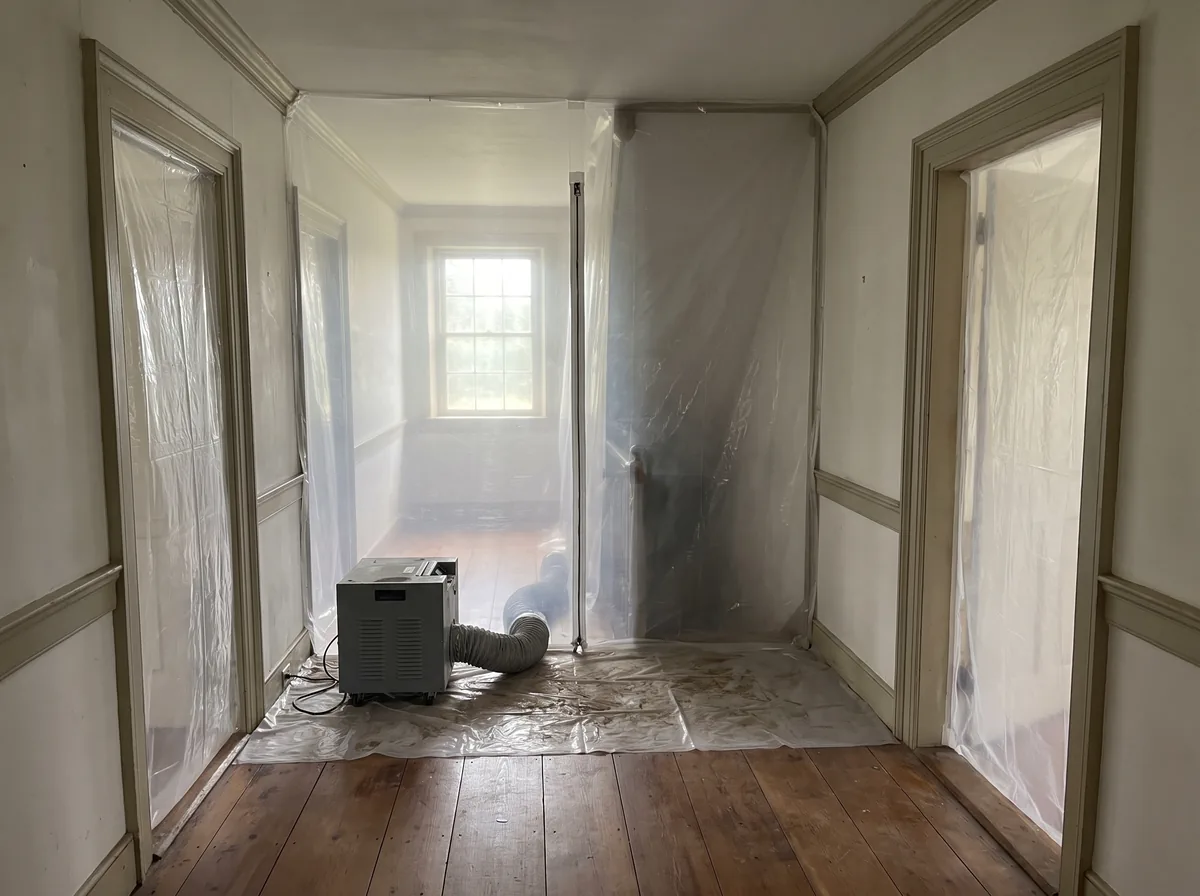
Mold Remediation
Full IICRC S520-style process for Gettysburg and Adams County.
-
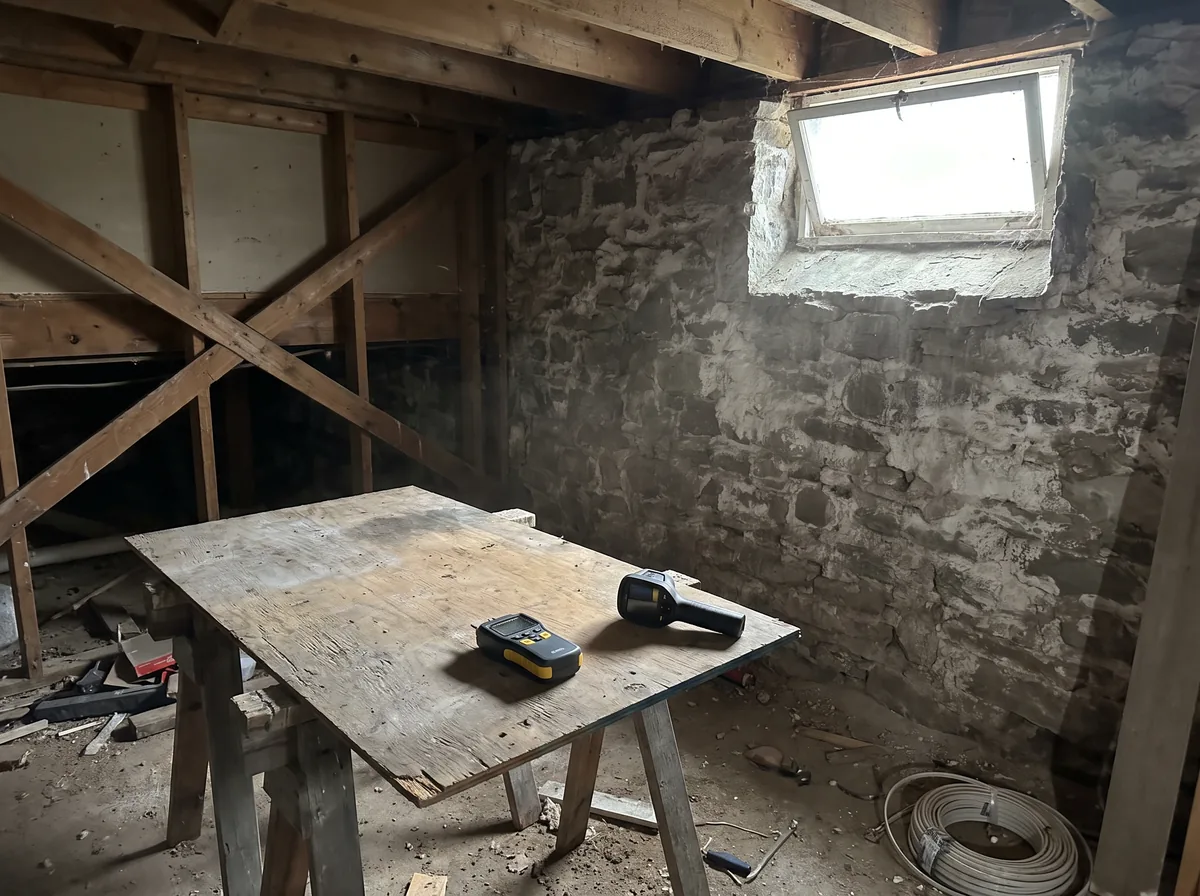
Mold Inspection
Moisture and infrared mapping before anyone opens a wall.
-
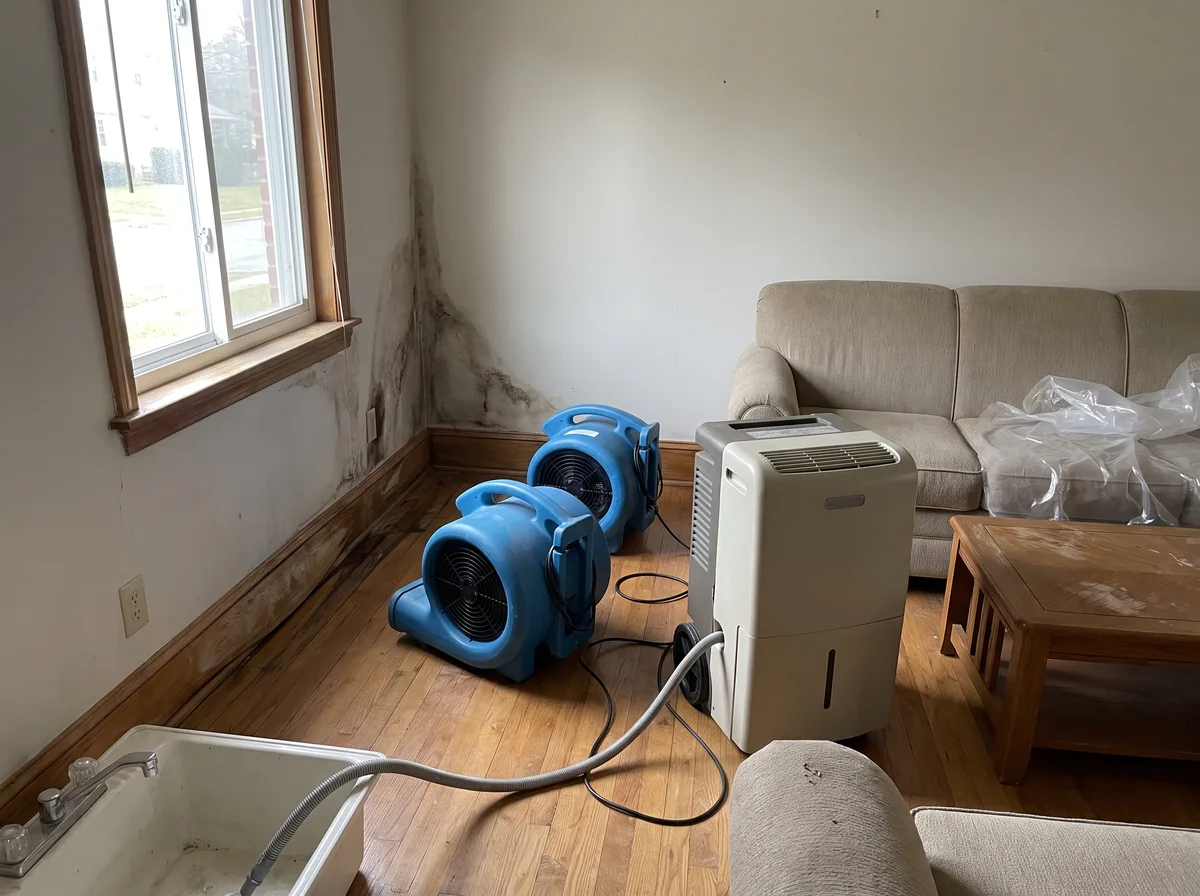
Basement Mold Removal
Stone and block foundations that seep after snowmelt.
-
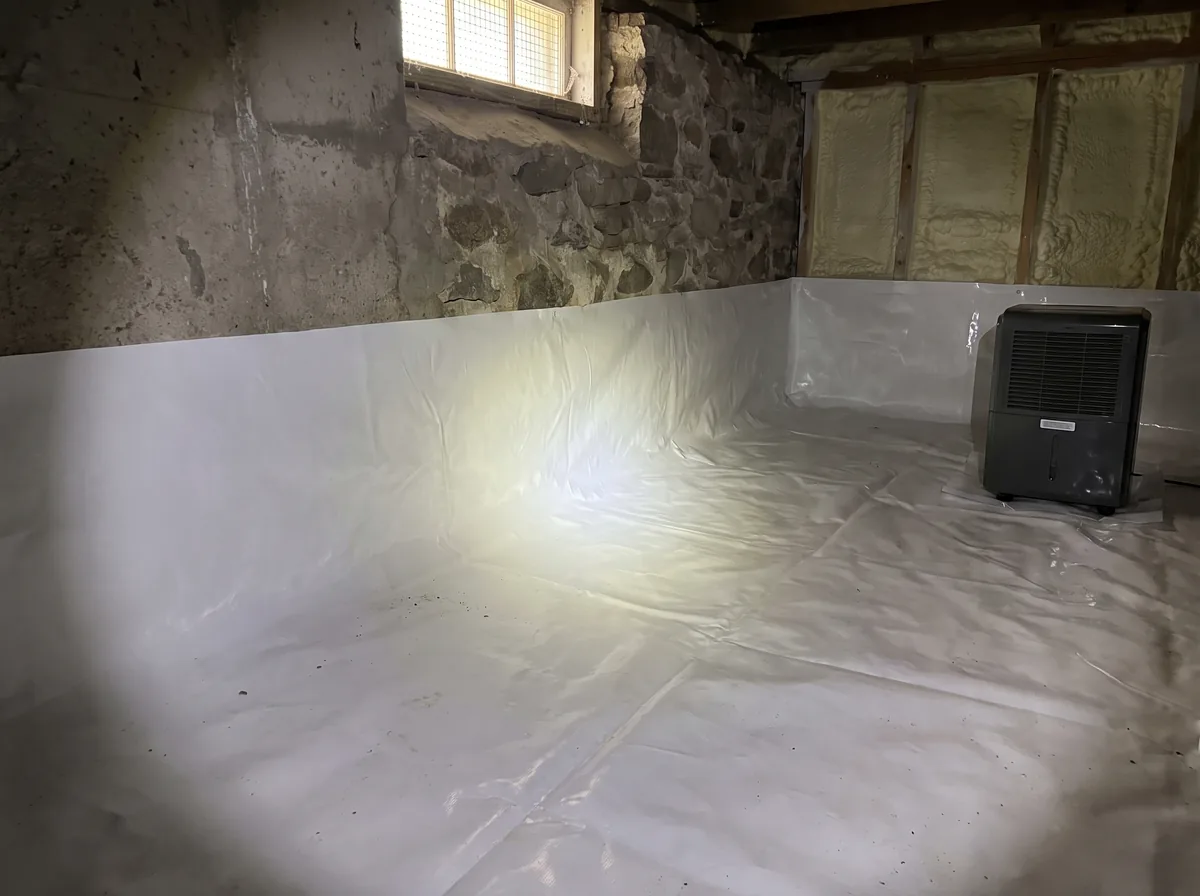
Crawl Space Mold
Encapsulation and drying under farmhouses and ranches.
-
Water-Damage Mold
The 24–48 hour window after leaks and storms.
-
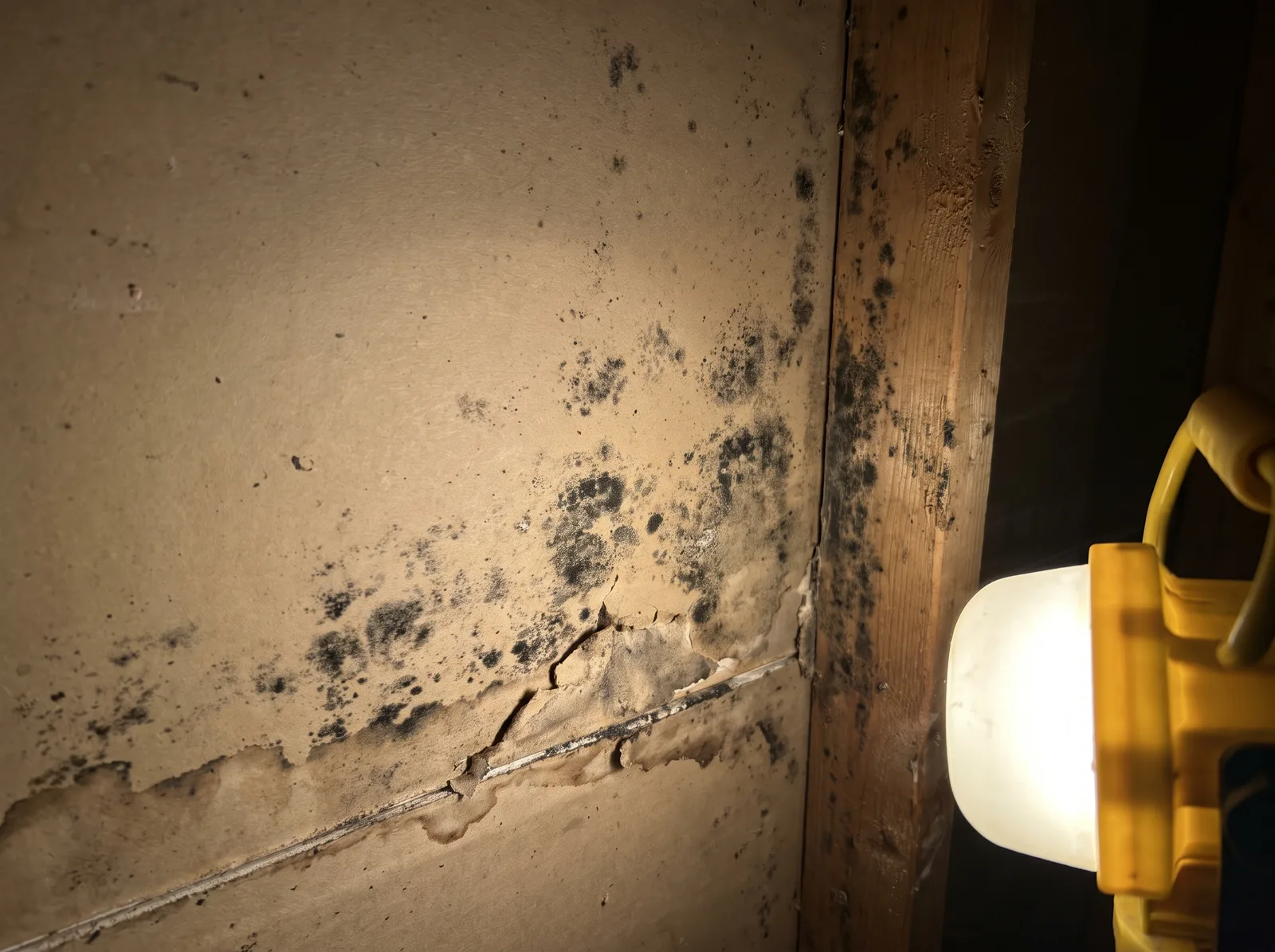
Black Mold Cleanup
What dark growth actually means — without the scare script.
-
Attic Mold Removal
Roof leaks, bath-fan dumps, and July humidity in older roofs.
How every job is sequenced
-
01
Inspect
Walk the house, map moisture, and separate a stain from active growth before anyone opens a wall.
-
02
Stop the water
A leaking sill, a bulkhead, or a dirt crawl stays in the plan. Cleanup that ignores the water comes back.
-
03
Contain
Barriers, a zipper door, and negative air keep the rest of a tight borough or farmhouse house out of the work.
-
04
Remove
Wet drywall, insulation, and rotten trim come out. Sound framing is cleaned instead of demolished for show.
-
05
Dry and check
Equipment stays until the meters agree. We do not paint over a wet assembly and call it finished.
Why homeowners call a Gettysburg mold crew
Adams County houses hold moisture in stone and block basements, dirt crawl spaces, and humid Julys. Mold Remediation Gettysburg crews work that stock with an S520-style process — inspect, contain, remove, then dry.
-
One county
Gettysburg borough plus the Adams County towns we already drive.
-
Inspect through dry
S520-style steps are written out: inspect, contain, remove, then dry.
-
Call or send a quote
The shop phone is in the header. The quote form is on this page and on contact.
Frequently Asked Questions
Which service should I open first?
If growth is already obvious, start with the mold remediation process. If you only have a smell or a stain, start with inspection. Basement, crawl, attic, and water-loss pages are for those assemblies.
Is the remediation page different from this list?
Yes. That page is the full cleanup sequence for Gettysburg and Adams County — inspect, contain, remove, then dry. This list is the menu. Open the process page when you already know you need cleanup.
Do you work the whole county or just Gettysburg borough?
Adams County is the footprint. Borough brick and stone, Hanover-side ranches, Littlestown and Fairfield attics, and Biglerville farmhouse crawls are all regular jobs. Town pages live under service areas.
How do you quote a house you have not walked yet?
Photos of the wet room, the hatch or bulkhead, and anything already growing get you a range. What moves the number is how much material is wet, how tight the access is, and whether a crawl also needs a liner. Typical bands are on the cost page. Use the quote form for a house.
What is the difference between inspection and remediation?
Inspection maps moisture and decides the next step. Remediation is the contained cleanup. You do not always need both as separate visits — visible growth plus wet drywall already answers the inspection question. Details sit on mold inspection.
Can you handle a leak and the mold that follows?
Yes. The first two days after clean water are often a drying job. After that, or when growth is visible, we shift to contained removal. That story is on water-damage mold, then back to the process page.